

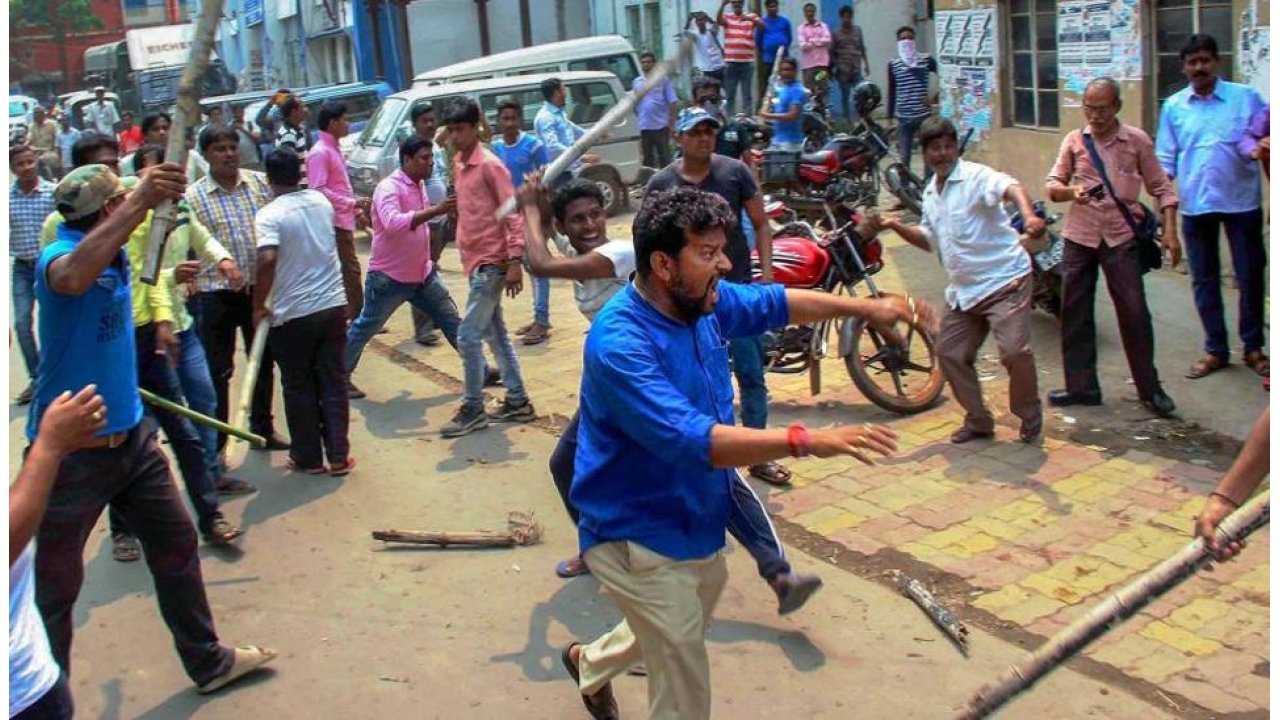
India’s democracy is built on the simple principle that political differences should be settled through votes, debate and the rule of law—not through intimidation, threats or violence. Yet political violence continues to appear in different forms, particularly around elections and intense political conflicts. This culture damages not only individuals and families but also public faith in democracy.
Political competition is natural in a diverse country like India. People will support different parties, leaders and ideologies. But disagreement must never become an excuse for attacking political opponents, intimidating voters, destroying property or silencing criticism. The Election Commission has repeatedly emphasised the importance of peaceful elections, while its official records show the enormous scale of public participation in Indian democracy.
Political violence also creates a dangerous cycle. When supporters believe that force is an acceptable political weapon, every election can become a confrontation rather than a democratic contest. Ordinary citizens suffer first: businesses are disrupted, families become fearful, and young people may grow up believing that political power belongs to those who can threaten others.
Stopping this culture requires responsibility from everyone. Political parties and their leaders must clearly reject violence by their supporters. Police and administration must act impartially against those who commit violence, regardless of their political affiliation. Citizens, too, have a role: we must reject rumours, hate-filled propaganda and calls for revenge, especially on social media.
India has the institutions and democratic traditions necessary to resolve political disagreements peacefully. The country has conducted elections involving hundreds of millions of voters, demonstrating that peaceful democratic participation is possible on an extraordinary scale.
The message should be simple: fight elections, not people; challenge ideas, not lives; defeat opponents through votes, not violence.
Political power is temporary, but the wounds caused by violence can last for generations. India’s democracy will be stronger when political disagreement is treated as a legitimate part of public life—and violence is rejected by everyone, without exception.