

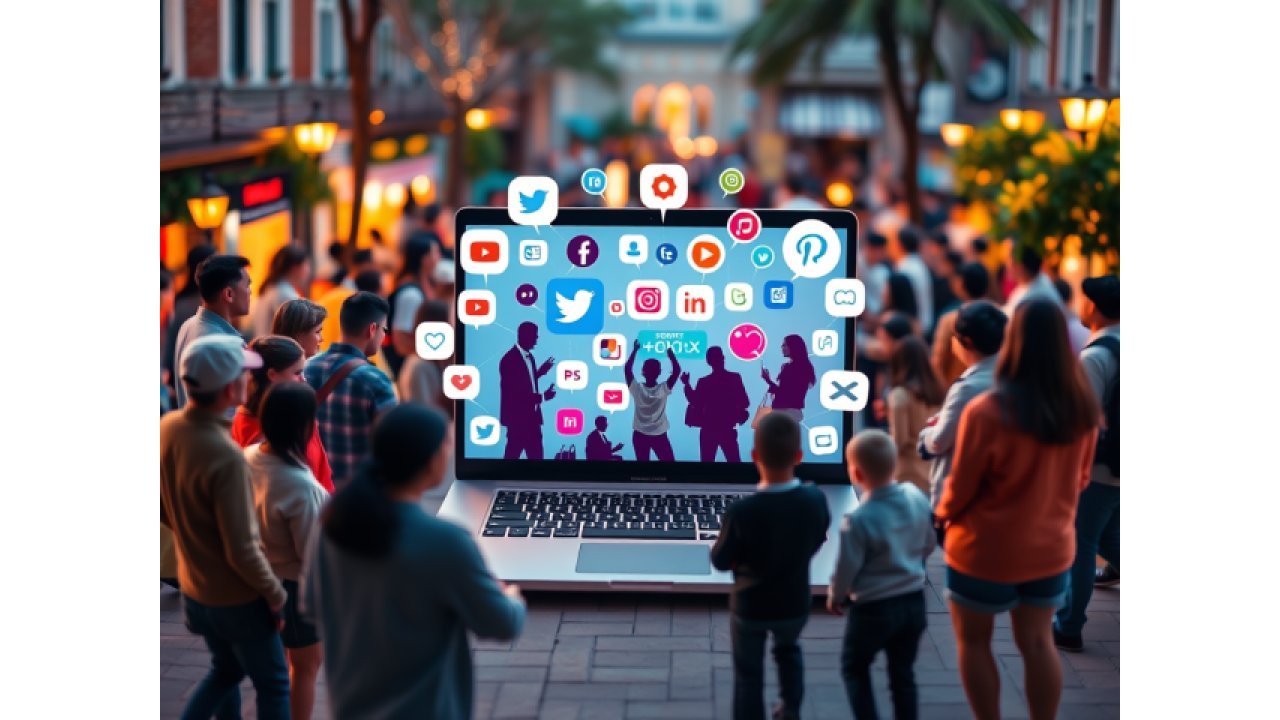
Social Media: From Public Square to Persistent Nuisance
We once treated social media as a new kind of public square—an open place to meet, debate, organise and share. In practice, platforms like Facebook have gradually transformed that promise into a daily nuisance that harms individuals and communities while undermining democratic norms.
First, the information environment is fractured. Algorithms reward engagement, not truth. Sensationalism, outrage and distortion spread faster than sober reporting because they provoke stronger emotional responses. The result is not just occasional false stories; it is an ecosystem that amplifies rumours, normalizes conspiracy and corrodes shared facts. When neighbours, family members or elected officials base decisions on viral falsehoods, the societal cost becomes tangible.
Second, privacy has been quietly eroded. Users traded personal data for convenience long before many fully understood the terms. That data fuels targeted advertising and manipulation at scale: political messaging tailored to emotions, commercial offers designed to exploit vulnerabilities, and persistent behavioral profiling with few meaningful limits. The convenience of a curated feed is paid for by a surveillance economy that treats attention and personal life as commodities.
Third, social media reshapes civic life in unhealthy ways. The architecture of constant notification and performative engagement privileges spectacle over deliberation. Public discourse is compressed into viral moments, and complex policy debates get reduced to slogans and memes. This environment favours performative outrage and punishment rather than careful argument, making constructive civic participation harder.
Fourth, there are real human costs. Excessive social media use correlates with anxiety, loneliness and diminished attention spans. The pressure to present a polished self, the comparators on every scroll, and the exposure to relentless bad news create psychological burdens that spill into work, schools and families. For many, social media is less a tool and more a form of digital noise that erodes wellbeing.
Yet the problem is not inevitable. Platforms can be redesigned, and regulations can align incentives with public interest. Practical steps include stronger data-protection laws that limit commercial profiling, algorithmic transparency and independent audits of recommendation systems, meaningful content-moderation standards developed with civil-society input, and clearer accountability for the spread of demonstrably harmful misinformation. Civil remedies—like giving users robust controls over their feeds, time-use nudges, and easier ways to opt out of algorithmic curation—would help restore agency.
Consumers and communities also have roles to play. Media literacy should be a priority in schools and workplaces; people must relearn habits of source-checking and digital hygiene. Local institutions—libraries, universities, religious and civic groups—can foster spaces for in-person deliberation that offset the atomising effects of online life.
Facebook and similar platforms brought undeniable benefits: easier connection across distance, new channels for activism, and quick access to information in crises. But benefits do not cancel harms. Recognising social media as a public-good problem—one that affects civic health, social cohesion and individual wellbeing—is the first step toward practical solutions. We must insist on design, policy and cultural changes that force technology to serve society rather than the other way around.
If we fail to act, the nuisance will worsen—and with it, the quality of our public life. If we succeed, we can reclaim technology’s promise: networks that connect us without hollowing out the institutions and habits that sustain democratic, humane society.